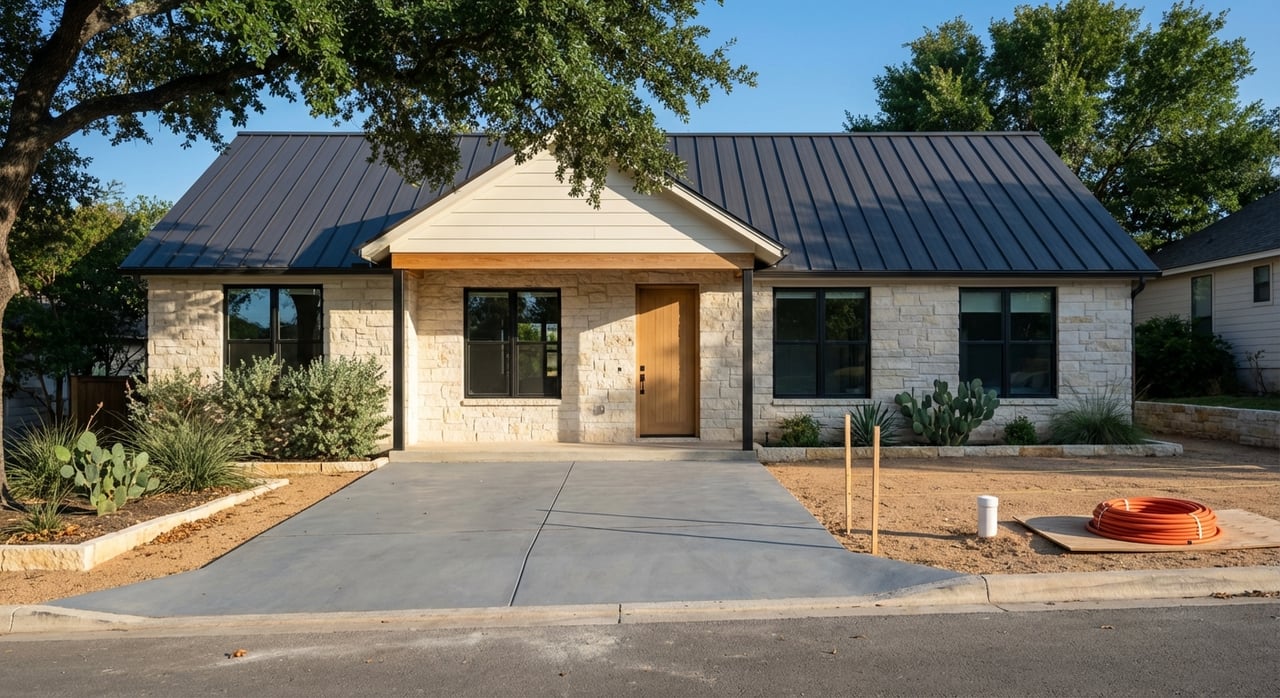
Are you dreaming about a Hill Country home in Copper Ridge but unsure which lot will set you up for the best build and long-term value? You’re not alone. Choosing a homesite is exciting, but the details can be complex. In this guide, you’ll learn how to evaluate land, utilities, sun and views, neighborhood rules, and due diligence steps so you can move forward with confidence. Let’s dive in.
Start with location and authority
Copper Ridge and similarly named communities appear across the Hill Country. Before you fall in love with a lot, confirm exactly which governing entity applies. This affects permitting, utilities, and design rules.
- Verify whether the property is inside city limits or in unincorporated Comal County.
- Check county records, plat maps, and flood layers before you tour.
- Review local development requirements and who handles permits for your lot.
You can confirm boundaries, plats, and permitting steps through Comal County’s development office. For flood zones, use the official FEMA Flood Map Service Center. For county-level permitting and process questions, start with Comal County Development Services.
Read the land: elevation, slope, soils
Elevation and flood risk
Even lots that sit high on the map can have low spots that pond after storms. Look at the relationship between the lot, nearby drainage paths, and any creeks. If a parcel touches or nears a flood zone, you may need elevated pads or engineered drainage.
- Check your parcel’s FEMA zone and Base Flood Elevation in the FEMA Flood Map Service Center.
- Compare those maps with a survey or topographic data to understand relative heights.
- Ask for any recorded drainage easements shown on the plat.
Slope, grade, and buildability
Slope influences everything from foundation type to driveway cost. Gentle slopes are typically easier and cheaper to build on, while steeper grades can require retaining walls and specialized engineering.
- As a rule of thumb, slopes under about 5 to 10 percent are the most straightforward.
- Slopes over roughly 10 to 15 percent often need more engineering and site work.
- Walk the lot to find natural building pads and identify any steep banks.
Soils and bedrock
Hill Country sites often have limestone or caliche near the surface. Shallow rock can raise excavation and foundation costs and affect septic siting.
- Review soil types in the USDA NRCS Web Soil Survey.
- Look for exposed rock, outcrops, or clay as clues on site.
- On rockier or steeper parcels, plan for a geotechnical report before you remove contingencies.
Utilities, wells, septic, and access
Public utilities vs. private systems
Service availability can vary by parcel. If public water or sewer is not available, you will need to plan for a private well and/or an on-site septic system. Septic systems require specific soils and setbacks from property lines and water features.
- Confirm water and sewer options early, along with utility connection points on the lot.
- For septic design and permitting rules, review the Texas Commission on Environmental Quality’s on-site sewage guidance.
- Unincorporated parcels follow county processes, so verify local requirements with Comal County Development Services.
Driveway placement and vehicle access
Where your driveway enters the property shapes grading, walls, and long-term maintenance. Long or steep drives can add significant cost.
- Confirm the likely driveway location and sight lines.
- Note road maintenance responsibility and any access easements.
- Identify staging areas for construction and where temporary utilities can be placed.
Orientation, views, trees, and wildfire
Solar orientation and comfort
Orientation drives your home’s comfort and energy use. In Texas, afternoon sun on west-facing glass brings the most heat.
- Favor layouts that reduce west-facing glass in primary living areas.
- Consider deep overhangs, covered porches, and shade trees to cool the west and southwest sides.
- Use a sun-path app or consult your architect to map seasonal angles on your lot.
View corridors and privacy
Views are a key reason to buy in Copper Ridge. They can change as neighboring lots develop, so plan your home to frame long-range views while maintaining privacy.
- Stand in multiple potential building pad locations to test sightlines.
- Check if any recorded view easements exist or if design guidelines address second stories.
- If views are a top priority, map them before you finalize your footprint.
Trees, native vegetation, and wildfire readiness
Live oaks, cedar elm, and Ashe juniper are common locally. Mature trees can be an asset, but they also influence your building envelope and maintenance plan.
- Identify significant trees you want to preserve and note their root zones relative to the footprint.
- Follow Firewise principles by reducing fuel close to structures and choosing fire-resistant landscaping. Learn more through the Texas A&M AgriLife Extension and NFPA Firewise USA resources.
- Review any HOA or CCR rules that may regulate tree removal or required landscaping.
Rules and design constraints to review
CCRs, ARC guidelines, and timelines
Most master-planned communities have Covenants, Conditions and Restrictions and an Architectural Review Committee. These documents shape exterior materials, roof pitch, home size, garage orientation, accessory structures, and construction timelines.
- Request the recorded CCRs, any amendments, and current design guidelines before you make an offer.
- Note application requirements, fees, and expected review timelines.
- Confirm rules for fencing, exterior lighting, and outbuildings.
Easements, setbacks, and the building envelope
Easements can limit where you place the house, garage, and driveway. Setbacks define the buildable area.
- Review the recorded plat and title commitment for utility and drainage easements.
- Locate building setback lines on the survey and mark them on site.
- Plan around easements to avoid surprises during permitting.
Impervious cover, stormwater, and grading
Some jurisdictions limit impervious cover or require erosion control plans and stormwater mitigation.
- Ask whether your lot requires a grading plan or specific erosion controls.
- Expect more requirements on steeper sites or near sensitive watersheds.
Septic, well, and environmental setbacks
Septic systems must be placed with minimum distances from wells, waterbodies, and property lines.
- Verify setback standards and permitting steps with county staff and the TCEQ on-site sewage rules.
- If a well is needed, ask nearby owners or well professionals about typical yields in the immediate area.
How to tour a Copper Ridge lot
Gather documents first so your site walk is efficient and informed.
Documents to request
- Recorded plat and legal description
- Title commitment listing easements
- CCRs, design guidelines, and ARC application details
- Any survey and topographic data
- Utility availability letters for water, sewer, and electric
- A printout of your parcel from the FEMA Flood Map Service Center
- Any prior soils or geotechnical reports
On-site checklist
- Location and access: confirm frontage, driveway entry, and sight lines
- Topography: walk high and low points; identify likely building pads
- Drainage: look for channels, erosion, or ponding after rain
- Utilities: find poles, transformers, meters, and likely lateral routes
- Slope: note steep sections and measure basic grade
- Vegetation: mark trees to keep or remove; note canopy and root zones
- Views and orientation: test morning and afternoon sun and privacy
- Neighboring uses: note heights, setbacks, and any vacant lots nearby
- Soil clues: watch for exposed rock, caliche, or clay
- Construction logistics: plan staging areas and temporary access
- Regulatory markers: locate survey stakes, posted rules, or HOA notes
Smart sequencing and your team
Build a team early so decisions are informed and timely.
- Real estate agent experienced in Comal County to gather documents and coordinate steps
- Surveyor for a boundary and topographic survey before you waive contingencies
- Geotechnical engineer for steeper, rockier, or unusual sites
- Civil engineer or site planner for grading, drainage, driveway, and septic layout
- Septic designer if sewer is not available
- Architect and builder to align the design with site realities and ARC expectations
- Title company or attorney to review easements and CCR language
Lenders may require specific reports for unique sites. Start these items early to keep your build timeline on track.
Balance cost and lifestyle
Every lot involves tradeoffs. Use these patterns to align your budget and lifestyle:
- View or ridge lots: outstanding vistas and resale appeal, with higher site work and exposure to wind and sun.
- Flatter lots: simpler builds and faster timelines, but fewer long-range views.
- Heavily wooded lots: more tree work and potential ARC oversight, with built-in shade and privacy.
- Septic or well needs: added design, permitting, and maintenance considerations.
- Shallow bedrock: higher excavation and foundation costs.
Ready to choose your homesite?
When you combine land knowledge with a clear plan, you can select a Copper Ridge lot that fits your design, budget, and long-term goals. If you want local, concierge-level guidance from first tour to ARC approval, connect with Diana Colbath to start a focused, confident search.
FAQs
How do I confirm if a Copper Ridge lot is in a flood zone?
- Use the FEMA Flood Map Service Center to check your parcel’s zone, then compare results with a survey or topo data for accurate elevation context.
What do Copper Ridge CCRs typically control for a custom build?
- CCRs and ARC guidelines often address exterior materials, roof pitch, home size, garage placement, accessory structures, fencing, and timelines; review recorded documents before making an offer.
Do I need a soils or geotechnical report before I buy a lot?
- On flat, typical sites it may be optional, but for steep, rocky, or unusual conditions a pre-purchase geotechnical report is strongly recommended.
How should I think about sun exposure on a Copper Ridge homesite?
- Plan living spaces to reduce west-facing glass, add shading on the west and southwest, and use porches or overhangs to cut heat gain in the Texas afternoon.
What steps are required if a lot needs a septic system?
- Verify soils and setbacks, consult county processes, and review the TCEQ on-site sewage requirements to plan design, permitting, and installation.
Where can I find official permitting guidance for Comal County lots?
- Start with Comal County Development Services for local processes, then align your plans with ARC rules and any city requirements if the lot is inside city limits.