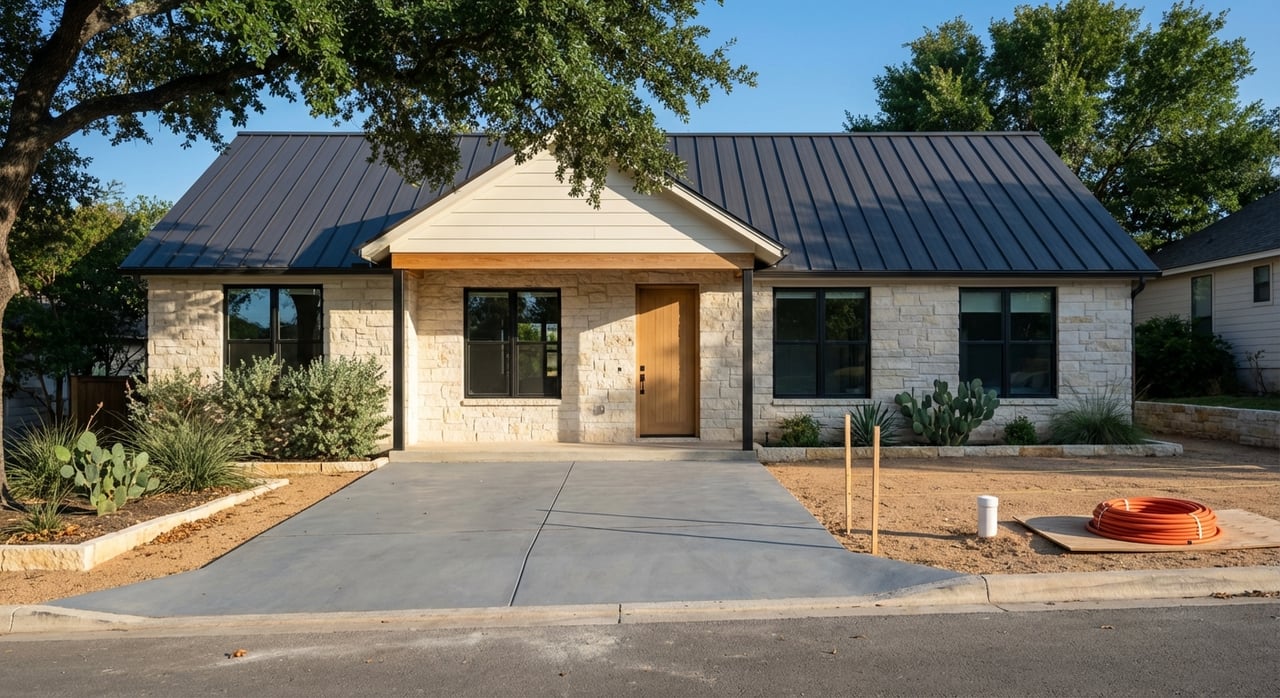
Dreaming of a Hill Country custom home surrounded by live oaks and long views? Building in Vintage Oaks can deliver that lifestyle, but the process comes with rules, permits, utilities, and choices that shape your budget and timeline. In this guide, you’ll learn how to pick the right lot, get through Architectural Review, plan utilities, and set clear expectations on costs and timing. You’ll also get a practical checklist and resale tips so you can build with confidence. Let’s dive in.
Vintage Oaks basics to know first
Vintage Oaks is a large master‑planned community in Comal County known for one‑acre‑plus homesites and estate lots. Community and POA materials describe a footprint around 3,900 to 4,100 acres with multiple neighborhoods, both gated and non‑gated. Amenities and cohesive design standards are part of the appeal, and most projects must be approved by the community’s Architectural Review before you break ground. As marketed, you can build when ready, but once you start construction, the community requires completion within 1 year.
For planning, the community’s information page is your hub for governance, design rules, minimum home sizes, and utilities. Review these materials early so your design and budget match community standards.
Start with the right lot
Different neighborhoods offer different lot sizes, setbacks, and feel. If you want larger estate acreage, explore options like Vineyard Ranch, which features 5 to 14 acre parcels. If you prefer smaller‑lot convenience and central wastewater, look closely at The Grove. Lot slope, tree cover, and creek setbacks vary a lot across the community, so a site walk with your builder is essential.
At contract, confirm the property’s tax jurisdiction and current assessments with the county or appraisal district. Community pages sometimes reference sample tax rates, but they can vary by phase and over time. Verifying this early protects your long‑term budget.
- Explore neighborhood differences and utilities on the community information page at Vintage Oaks.
- For estate‑size options, review the Vineyard Ranch overview for context on larger parcels.
Choose your builder with care
Vintage Oaks lets you choose your builder. The community publishes an active builder directory and offers a free Builder Match service that connects you with teams experienced in the neighborhood. Plan to interview more than one builder, ask for Vintage Oaks references, and request recent examples of timelines and total project costs. A builder who knows the ARC process, county permits, and local utilities can save you time and change orders.
Plan, then get ARC approval
Every home and major improvement is subject to the community’s recorded Declaration and Community Design Guidelines. Before any site work begins, you or your builder will submit an ARC application through the Owners Portal with key items like:
- Site plan with building footprint and driveway
- Exterior elevations and materials
- Landscaping and hardscape details
Getting the ARC package right the first time can prevent rework and delays. Align your design choices with the published guidelines, including minimum home sizes, exterior materials, and any fencing or outbuilding standards.
Pull county permits in parallel
Much of Vintage Oaks sits in unincorporated Comal County. You will apply for required public permits alongside ARC review. The county provides an online portal and checklists that typically include:
- Building permit after plan review by the Fire Marshal
- Driveway or right‑of‑way permit
- Floodplain development permit if applicable
If your lot will use an on‑site septic system, the Environmental Health Department will require a qualified site and soil evaluation and a permitted OSSF design prepared by a licensed sanitarian or engineer.
- Review Comal County’s permits overview for the building and driveway process.
- See Environmental Health for OSSF rules, site evaluations, and permits.
Line up utilities early
Utility assignments in Vintage Oaks vary by neighborhood and can meaningfully affect cost and timing. Confirm service providers for your exact lot and start applications early.
Water: Many parcels connect to the regional utility operated as The Texas Water Company. Request a written service‑availability letter plus tap and impact fee estimates as soon as you go under contract. Capacity and approvals can affect connection timelines in this corridor.
Wastewater: Acreage homes usually use individual septic systems permitted by Comal County. The Grove uses a neighborhood MBR system, which has different connection rules and monthly charges. Get clarity before you finalize house placement.
Electric: Service is typically from New Braunfels Utilities or Pedernales Electric Cooperative depending on location. Your builder will coordinate service costs, meter location, and timing.
Internet: Fiber‑to‑the‑home is marketed through GVTC in many areas. Confirm fiber availability and install lead times for your specific lot, especially if you work from home.
Check The Texas Water Company’s updates for regional supply and planning context.
Explore GVTC fiber options to plan smart‑home and work‑from‑home needs.
Timeline and the 1‑year completion rule
Custom homes follow a series of steps: design, ARC review, county permits, site work, and vertical construction. Once permits are issued, many custom builds take about 7 to 12 months from slab to finish, with 10 to 16 months common from design to move‑in. Vintage Oaks adds one more constraint: after you start construction, the community requires your home to be completed within 1 year. Plan for weather, inspections, and supply lead times so your schedule stays on track.
- See national guidance on build timelines and process ranges to set expectations.
Budget basics and Hill Country cost drivers
Custom build pricing varies widely based on size, design complexity, and finishes. National and regional guidance often cites a broad range of about 150 to 500+ dollars per square foot for custom homes. In the Hill Country, site‑specific items can move the needle:
- Rock excavation and grading
- Tree protection or removal
- Retaining walls and long driveways
- Septic design and installation or neighborhood wastewater fees
- Utility tap, impact, and connection charges
A smart rule of thumb is to carry a 15 to 20 percent contingency to cover change orders and unforeseen conditions. Local Vintage Oaks builders can provide tighter estimates once they walk your lot and review the ARC standards.
- Reference this consumer guide for a helpful cost breakdown and contingency advice.
Rules and minimums that shape your plan
Community minimum finished‑home sizes influence your design and budget. As published by the community, plan around these figures and confirm your lot’s exact rules in the governing documents:
- Non‑gated 1 to 14 acre properties: 2,300 sq ft minimum
- Gated neighborhoods: 2,700 sq ft minimum
- The Grove: 2,100 sq ft minimum
The community lists a sample annual POA assessment of about 700 dollars for non‑gated neighborhoods, with gated areas paying additional assessments for gates and roads. Always confirm the current schedule with the property manager at contract time. Vintage Oaks markets “build when ready,” but remember the 1‑year completion requirement once you start construction.
- For governance, minimums, and utilities by neighborhood, use the community information page.
Resale perspective and value moves
Well‑planned communities with strong amenities and cohesive design often command a premium compared to nearby conventional subdivisions. That framing supports Vintage Oaks’ amenity package as a positive for resale. Your specific home’s value will still depend on lot orientation, views, exterior materials, and how well your plan fits mainstream buyer preferences.
Focus on choices that help resale:
Site the home to capture views and privacy
Favor durable, classic exterior materials
Avoid overly personalized finishes that narrow your buyer pool
Invest in energy‑efficient systems and plan for quality internet readiness
See research summarizing price premiums linked to well‑planned communities.
Explore GVTC solutions to position your home for strong connectivity.
A practical Vintage Oaks build checklist
Use this list to keep momentum and minimize surprises:
- Request the recorded Declaration and the latest Community Design Guidelines from the community or property manager.
- Ask The Texas Water Company for a written service‑availability and tap or impact fee letter for your specific lot.
- Commission a qualified septic site and soil evaluation, and consider a geotechnical report to inform foundation and site‑work decisions.
- Use the community’s Builder Match or interview multiple builders. Confirm experience with Vintage Oaks ARC and Comal County permitting.
- Contact utilities early: water (The Texas Water Company), electric (NBU or PEC), and internet (GVTC) to understand costs and timelines.
- Build a budget with a 15 to 20 percent contingency and allow time buffers around the community’s 1‑year completion rule.
- Community info and ARC context: Vintage Oaks information hub.
- Water availability and planning: The Texas Water Company updates.
- Septic and environmental health: Comal County Environmental Health.
- Builder directory and match: Vintage Oaks Builder Match.
- County permits: Comal County permits overview.
- Cost and contingency insight: Consumer build‑cost guide.
Work with a local guide
Building in Vintage Oaks is exciting, but the right guidance upfront saves months of back‑and‑forth and thousands in avoidable costs. From lot selection and ARC strategy to utility timing and local builder matchmaking, you deserve a calm, concierge‑style process tailored to your goals. If you are ready to walk lots or want a plan review before you commit, reach out to Diana Colbath for neighborhood‑level insight and a clear path from dirt to done.
FAQs
How does Architectural Review work in Vintage Oaks?
- Most exterior improvements, including your home, must be approved by the community’s Architectural Review before construction. You will submit site plans, elevations, exterior materials, and a landscape plan through the Owners Portal.
Who enforces rules and design standards in the community?
- The Property Owners Association and its Architectural Review Board enforce the recorded Declaration and Community Design Guidelines.
What utilities typically serve lots in Vintage Oaks?
- Many lots use water service from The Texas Water Company, electric from NBU or PEC depending on location, fiber internet from GVTC in many areas, and either septic systems or the neighborhood MBR system in The Grove.
What should I know about septic systems in Comal County?
- Acreage lots usually require an on‑site septic system permitted by the county, which starts with a qualified site and soil evaluation and a design prepared by a licensed professional.
How long does it take from planning to move‑in for a custom home?
- Many custom homes take about 10 to 16 months from early design through completion, with 7 to 12 months common for the construction phase, and the community requires completion within 1 year after you start building.
Can I choose any builder for my Vintage Oaks home?
- Yes, you can select your builder. The community’s Builder Match program can connect you with teams who have recent Vintage Oaks experience.
What are the minimum home sizes and typical POA fees?
- Published minimums are 2,300 sq ft in non‑gated 1 to 14 acre areas, 2,700 sq ft in gated neighborhoods, and 2,100 sq ft in The Grove, and a sample non‑gated POA assessment is about 700 dollars per year, but confirm current rules and assessments for your lot.