Thinking about a move to New Braunfels? You are not alone. This fast-growing Hill Country city offers a mix of historic character, newer master-planned development, outdoor recreation, and easy access to both San Antonio and Austin. If you are trying to figure out which area fits your routine, budget, and long-term plans, the right approach is to look beyond the map pin and focus on how you want to live day to day. Let’s dive in.
Start With How You Live
Choosing an area in New Braunfels starts with your daily routine. A home that looks perfect online may feel very different once you factor in commute routes, nearby parks, construction corridors, flood considerations, and whether the address is actually inside city limits.
That matters even more in a city that has grown quickly. Census QuickFacts estimates New Braunfels had 122,492 residents in July 2025, which reflects 35.5% growth from the April 2020 estimate base. With a mean travel time to work of 27.1 minutes, location can shape how smooth your weekdays feel.
Know City Limits vs ETJ
One of the most important local details is whether a property is inside New Braunfels city limits or only in the ETJ, which stands for extraterritorial jurisdiction. A New Braunfels mailing address does not automatically mean you are a city resident.
The city notes that many resident services and perks are limited to addresses inside city limits. That can affect things like resident river parking permits, resident river passes, discounted Landa Park Aquatic Complex season passes, and resident Das Rec rates.
The distinction also matters when you compare regulations. According to the city’s Development Guide, ETJ properties are generally subject to subdivision rules but not zoning, and the ETJ extends about 3.5 miles beyond city limits.
Match Your Area To Your Commute
In New Braunfels, the route often matters more than the raw distance. I-35 is the main north-south corridor, while SH 46 and Loop 337 are major connectors that can strongly affect drive times and convenience.
The city’s transportation and thoroughfare planning show active or planned work on corridors like Common Street, Gruene Road, Solms Road, River Road, and West End streets. That means the easiest location for you today may not feel exactly the same a year from now, especially if you rely on one main route.
If you commute toward San Antonio or use the regional corridor often, access to I-35 and SH 46 may rise to the top of your list. If most of your travel is local, you may decide to trade highway access for a setting closer to parks, trails, or a neighborhood feel you prefer.
Compare New Braunfels Area Types
New Braunfels does not offer just one lifestyle. Different parts of the city appeal to different priorities, and understanding those trade-offs can help you narrow your search faster.
Downtown New Braunfels
If you want historic character and a central setting, downtown is the clearest fit. The city describes it as a blend of 19th-century German-influenced architecture, boutiques, cafés, and Main Plaza.
Downtown can appeal to buyers who want to be close to local activity and appreciate a more established core. The city also notes free and paid parking options and a downtown TIRZ that supports reinvestment.
Landa Park And The Central Core
If your ideal move includes classic New Braunfels scenery with in-town convenience, the Landa Park area is worth a close look. Landa Park sits in the heart of town and includes 51 acres, Comal Springs, trails, a miniature train, an aquatic complex, and other recreation features.
This part of town can be especially attractive if you want easy access to established amenities. The city also maintains 40 parks across more than 740 acres, which supports an active, outdoors-oriented lifestyle in and around the central core.
Fischer Park Area
If park access is high on your list, the area around Fischer Park can stand out. The city calls Fischer Park the largest park in New Braunfels, with more than two miles of trails, fishing ponds, a splashpad, playgrounds, a nature education center, amphitheater space, and pavilions.
For many relocating buyers, that kind of outdoor access adds value to everyday life. It can also help an area feel connected to recreation without requiring a downtown location.
West End Corridor
If you are open to an area that is evolving, the West End may be worth considering. The city’s West End Area Plan focuses on connectivity, placemaking, infrastructure, the environment, and neighborhood commercial and residential opportunities.
The April 2026 update shows active street, sidewalk, and drainage work, and the city established a West End TIRZ in 2025 for reinvestment. If you like the idea of an urban-neighborhood feel with ongoing change, this area may offer a different experience from more fully built-out parts of town.
Veramendi And Newer Master-Planned Development
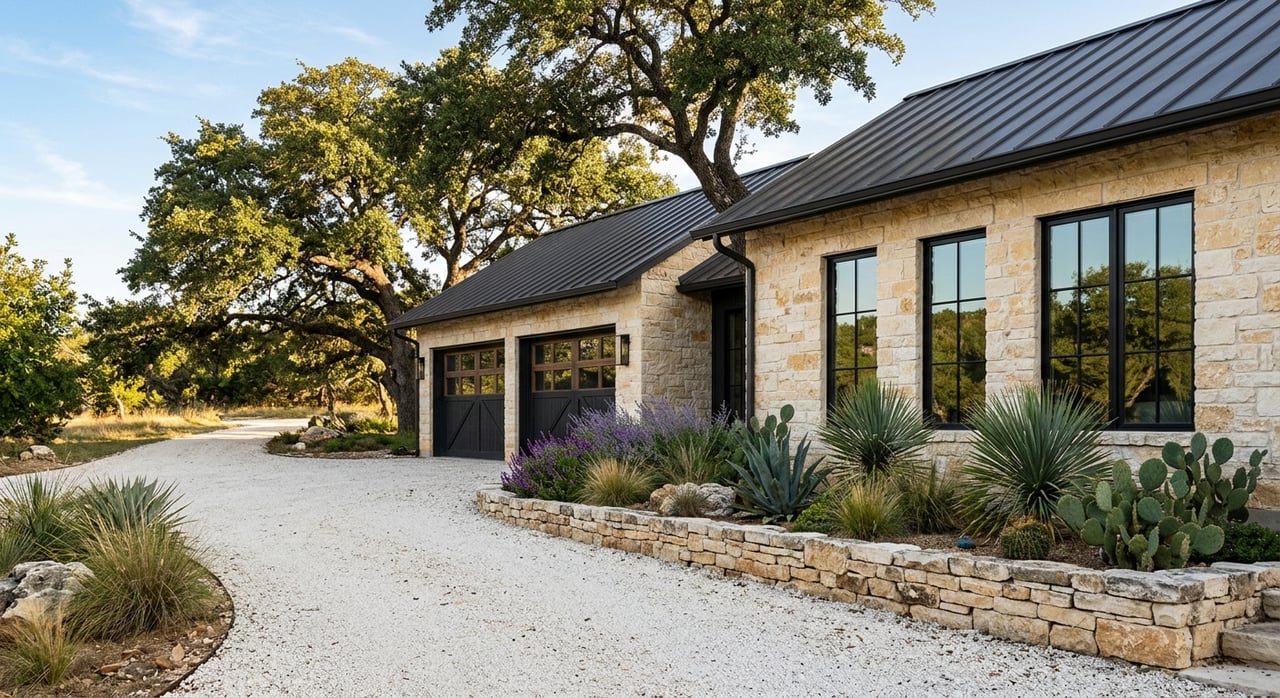
If you prefer newer construction and a more planned setting, Veramendi is one of the city’s clearest examples. The city describes it as a 2,400-acre mixed-use development with a development agreement, master framework plan, sector plans, and design controls.
That makes it a useful option for buyers who want a more regulated master-planned environment, planned open space, and newer homes. If your relocation goals include predictability in layout and design, this kind of area may feel especially comfortable.
Look At Parks And Trails, Not Just Subdivisions
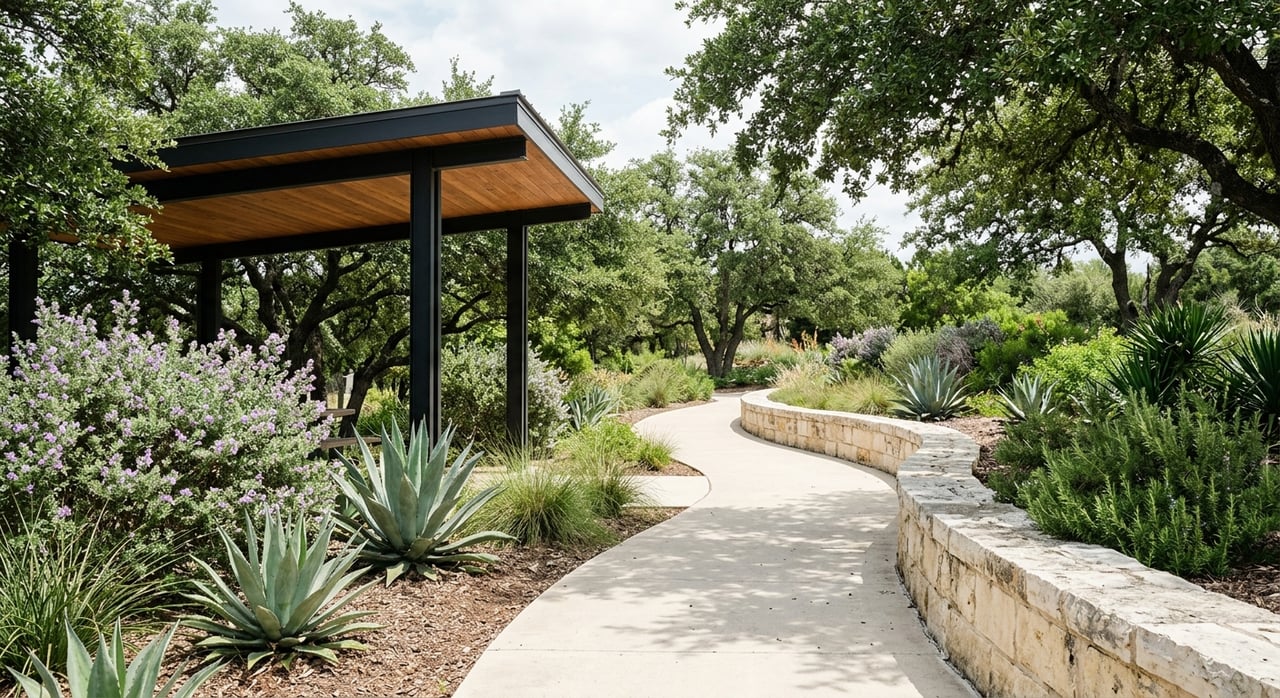
In New Braunfels, recreation is not limited to one park or one neighborhood. The city says it has more than 8 miles of trails inside city limits, including County Line Memorial Trail, Dry Comal Creek Trail, and Panther Canyon Nature Trail.
Future trail work also ties into corridors like Gruene Road and FM 306. That means some neighborhoods may offer a stronger recreational feel than you might expect, even if they are not near downtown.
When you compare areas, ask yourself how often you will actually use trails, park space, or river access. If those features are part of your weekly routine, they deserve the same attention as square footage or finishes.
Check Flood Risk Early
River access and natural beauty are a big part of New Braunfels living, but they come with extra due diligence. The city states that the community is susceptible to flooding and provides flood maps to help property owners and buyers understand risk.
If a home is near a river, creek, or low-lying street, flood review should happen early in your search. The city also notes that floodplain development requires permits, and floodplain development without a permit is illegal.
For some properties, federally related mortgages in Special Flood Hazard Areas can trigger flood insurance requirements. That does not mean you should rule out every river-adjacent pocket, but it does mean you should compare homes with a clear understanding of the trade-offs.
Understand Housing Costs By Pocket
A citywide snapshot can help you set expectations before you compare specific areas. Census QuickFacts reports a 65.3% owner-occupied rate in New Braunfels, a median owner-occupied home value of $339,400, median monthly owner cost with a mortgage of $2,088, and median gross rent of $1,654.
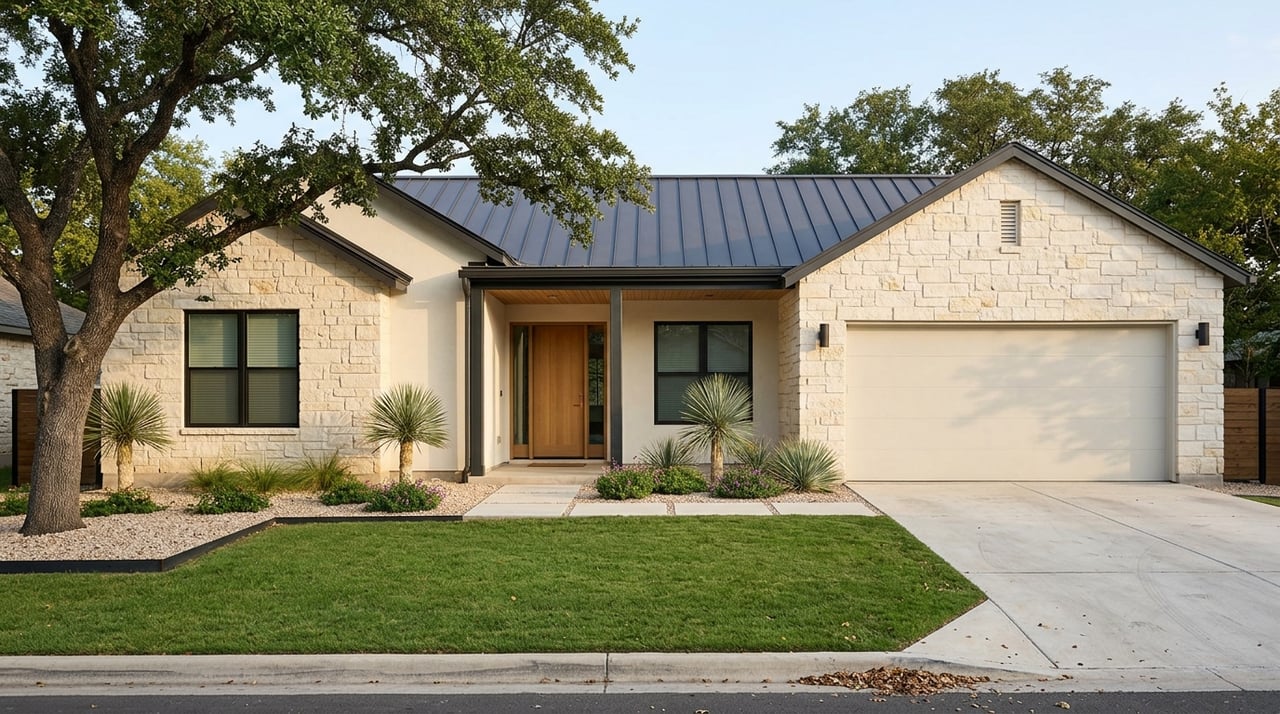
Those numbers do not define every neighborhood, but they do give you a useful baseline. Some parts of New Braunfels may lean more toward starter homes or condos, while others may offer move-up homes, large lots, or newer Hill Country product.
Verify School Boundaries By Address
If school assignment matters to your move, it is important to verify the exact address. Boundaries are changing as the area grows.
NBISD approved new elementary attendance zones for the 2025-2026 school year. Comal ISD has also redrawn boundaries tied to new campuses in Mayfair scheduled to open in 2025 and 2027.
The practical takeaway is simple: do not assume a listing falls into a certain attendance zone based on neighborhood name or nearby streets. Confirm the property directly before making a decision.
Use A Smart Map-Reading Checklist
Before you tour homes in New Braunfels, it helps to review more than photos and price. The city’s GIS tools can help confirm city limits and ETJ, zoning, flood zone, historic districts, subdivision details, permits, and other property-level context.
That is especially useful when you are comparing older central areas, infill locations, newer subdivisions, or homes with a New Braunfels mailing address outside city limits. A little research upfront can save time and help you avoid false assumptions.
Here are a few questions worth asking before you schedule tours:
- Is the address inside city limits or only in the ETJ?
- What zoning, overlay, or historic-district rules apply?
- Is the home in or near a floodplain?
- Which school district and attendance zone serves the address?
- How will current road work affect the commute?
- If resident perks matter, does the address qualify for city resident benefits?
How To Narrow Your Search Faster
If you are relocating, the easiest way to choose an area is to rank your top priorities before you start touring. Most buyers do better when they focus on three or four must-haves instead of trying to solve every goal with one address.
You might prioritize commute access, newer construction, trail access, central convenience, flood awareness, or whether the property is within city limits. Once those priorities are clear, it becomes much easier to compare areas that fit your lifestyle instead of getting distracted by every new listing.
A move to New Braunfels can be exciting, but it also comes with a lot of local details that are easy to miss from out of town. If you want help comparing neighborhoods, understanding city limits, or finding the right fit for your routine, reach out to Diana Colbath for thoughtful, local guidance.
FAQs
How do you choose the best area in New Braunfels for a commute?
- Start by looking at your main routes rather than just mileage. I-35, SH 46, and Loop 337 are major corridors, and current or planned road work can affect convenience depending on where you live.
What does ETJ mean in New Braunfels real estate?
- ETJ stands for extraterritorial jurisdiction. A property can have a New Braunfels mailing address without being inside city limits, which can affect zoning, city residency, and access to certain resident perks.
What should relocating buyers know about flood risk in New Braunfels?
- The city says New Braunfels is susceptible to flooding, so buyers should review flood maps and look closely at homes near rivers, creeks, or low-lying streets early in the process.
How do school boundaries work in New Braunfels?
- School assignments are address-specific, and boundaries are changing in both NBISD and Comal ISD because of growth. Always verify the exact address before assuming an attendance zone.
Which New Braunfels area is best for newer master-planned living?
- Veramendi is one of the city’s best-documented master-planned areas. It may appeal to buyers who want newer construction, planned open space, and a more structured development environment.
Why do city limits matter when moving to New Braunfels?
- City limits can affect access to resident services and benefits, including certain river, park, and recreation perks. The city specifically warns that a mailing address alone does not confirm city residency.